The Making of SERVE Wine

a

The Romanian terroir

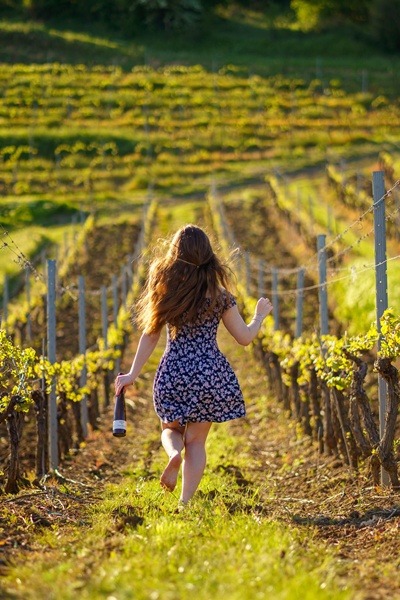
We truly enjoy the pure expression of Romanian terroir. With an area of ​​59 ha in the Dealu Mare vineyard, we craft with love so that you can fully enjoy every glass of SERVE wine. Our plantations began in 1999, mostly with plants from our own plant nurseries. This way we reached an average age of 15 years, an age that is only good for exceptional wines. All our vineyards are cared for with love and dedication. We put our soul into everything we do and it shows. But nature also contributes essentially to the perfection of SERVE wine.

The birth of wine or the transformation of grapes into wine is a true journey full of delightful experiences.

Ceptura Wine Area, Dealu Mare Vineyard

One of our prides is located at the 45° parallel, like the Bordeaux region. The Dealu Mare vineyard, therefore, is considered the “Homeland of Red Wines” due to its viticultural history and the conditions it offers. Sufficient rain and fertile soil join forces to provide the best harvests.

Ceptura area is part of the Dealu Mare vineyard and is perhaps the most naturally spoiled area. It benefits fully from the southern exposure of the slopes, the warm air brought by the currents from the Romanian Plain and the protection of the Carpathians. The reddish brown soil is explored in depth by the roots and contributes to the maturation of the plants. All these characteristics emphasize the special character of this vineyard, from where varieties such as: Sauvignon Blanc, Italian Riesling, Rhine Riesling, Chardonnay, Fetească Albă, Tămâioasă Românească, Merlot, Pinot Noir, Fetească Neagră and Cabernet Sauvignon smile at the sun.

The story begins at the grape harvest

We put passion into everything we do. We make sure that the vineyards cared for by the people of the SERVE team develop beautifully and reach maturity. So that you can enjoy the best wine, we pick the grapes by hand, thus maintaining the quality you are used to. We are always attentive to all environmental factors, which is why the harvest is not done on a set day, but depends on the weather conditions of that year and the imprint of nature on the fruit. The decision is made by experienced people whose professionalism could be observed in every glass of SERVE wine. They are the only ones who can determine precise elements such as the sugar level in the berries, the pH and acidity level, but also the aromas of the must.

Now the craft really begins. The harvest is immediately transported to the winery and cooled in refrigerated containers. However, the second sorting is very important. To achieve the divine taste, we make sure that no unripe grapes or leaves reach the winemaking stage. We remove anything that could affect the taste or color of the wine through a process called destemming. This way we ensure that you will always enjoy our unique, amazing wine true to its teroir.

Winemaking

At the beginning was the grape must

The winemaking process begins with the separation of the grapes and the removal of the bunches. Now we move on to obtaining the must, which is then fermented. Gradually, the sugar is converted into alcohol in the presence of yeast, which converts approximately 17g of sugar into one degree of alcohol, depending on the grape variety. Of course, this process can be different for a certain color of the grapes or for the type of wine desired.

For example, in the case of white grapes, the berries are pressed immediately to obtain the must, which will then ferment separately from the skins and seeds. Then, the must is cooled and left to settle for about 24 hours to produce the so-called gravitational settling. This magical elixir, however, also needs yeast, which is added after settling and which will stimulate the fermentation process (up to 25 days), at low temperatures (around 17°C) so that you can enjoy all the flavors.

In the case of red grapes, the story is a little different. The berries are placed in fermentation vessels where the must will remain together with the skin and seeds of the grape throughout the fermentation. They contribute to the supply of fine tannins and color to the wine. Yeasts are incorporated into the must from the beginning of the process. It is very important that the must (the liquid part) is constantly in contact with the seeds and skins of the berries (the solid part or the cap).

There are three ways to achieve this: either manually by immersing the cap, or mechanically by operating pneumatic pistons controlled by a computer, or by recirculating the must or the wine in the making with the help of pumps. Through these processes, the color (found in the skin) and tannins (from the seeds and skins) are extracted, which give the wine its complexity and special character. Unlike white wines for which low temperatures are recommended, in the case of red wines, fermentation takes place at at least 25-28°C, reaching even 30-32°C. This is defining for the extraction of color and tannins.


Maturation & perfection

What is good is always left to wait. Thus, the fresh wine is left to rest, and in the case of red wines, to complete its second fermentation, the malolactic one. At this point, the yeast is separated and preparations are made for maturation. The process is mandatory for red wines that spend two to three years in storage vessels before being bottled. This is the stage in which we say that from rebellious teenagers we end up “raising” the youth of tomorrow.

Skill comes from experience, and experience is gained through a lot of work and dedication. The choice of maturation vessels, whether stainless steel or oak (barrels), is made on the one hand according to the characteristics of the wine, and on the other, by the inspiration of the oenologist. It is the young wine that dictates the temperature and duration of maturation, depending on the type we want at the end of the process and the grape variety. There are certain wines, generally cuvees, that continue their maturation in the bottle.

The wine is now close to fulfilling its final goal: the joy of you and your loved ones. So, when it is ready to be enjoyed, it is carefully bottled and left to continue aging in the cellar, if it has this potential, which depends on many factors.

The secret of a delicious white or rosé wine is to store it in specific conditions to remain fresh, which is why it is especially recommended in the case of rosés to consume it in the year following production. Also, the harmonious development of red wines is done at optimal temperatures and conditions. For an authentically Romanian and unique experience, make sure you preserve all the flavors by following the instructions for storing and serving the wines.

Our winery, our home

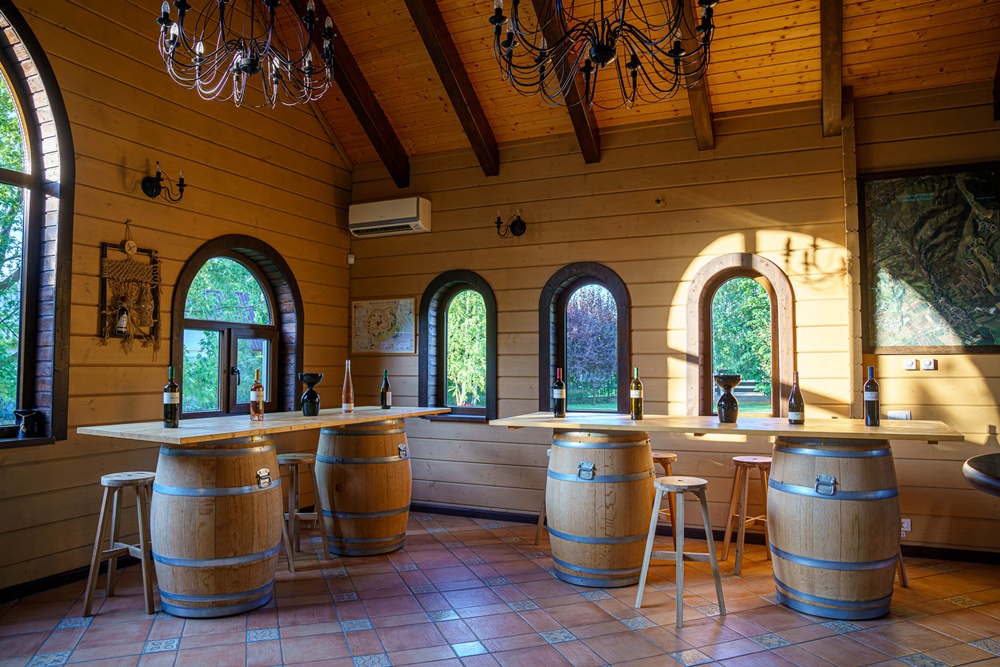
What you have read so far, we hope, has represented the first step into a beautiful world that is worth exploring in depth. Come and get to know us much better by visiting Ceptura. You will see how we have combined the traditional with the modern and how the story of our wines is written.

Enjoy a glass of wine with Sabin Baniță, our wine-maker who will share with you his passion. You will have the opportunity to find out, “behind the scenes”, the secret of an exceptional wine, with a special character, the SERVE brand.